
Buying your first home is a mix of excitement and sheer panic. I remember my own journey—endless nights scrolling Zillow, wondering if I’d ever afford a place without selling a kidney. In 2025, with mortgage rates stabilizing around 5–6% and new programs for first-time buyers, homeownership is within reach for many. But navigating home loans can feel like decoding a foreign language. FHA, VA, conventional—what’s the difference, and which is right for you? This guide breaks down everything you need to know to secure a home loan and start your homeownership journey in 2025, without the overwhelm.
Why 2025 Is a Great Time to Buy
The housing market in 2025 is showing promise for first-time buyers. Mortgage rates, which spiked in recent years, are settling (think 5.5% for a 30-year fixed, per Freddie Mac). Inventory is improving in many areas, giving you more options than during the 2022–2023 frenzy. Plus, government programs like FHA and VA loans are offering lower down payments and flexible credit requirements. Whether you’re eyeing a cozy condo or a suburban fixer-upper, now’s a solid time to jump in—just arm yourself with the right info.
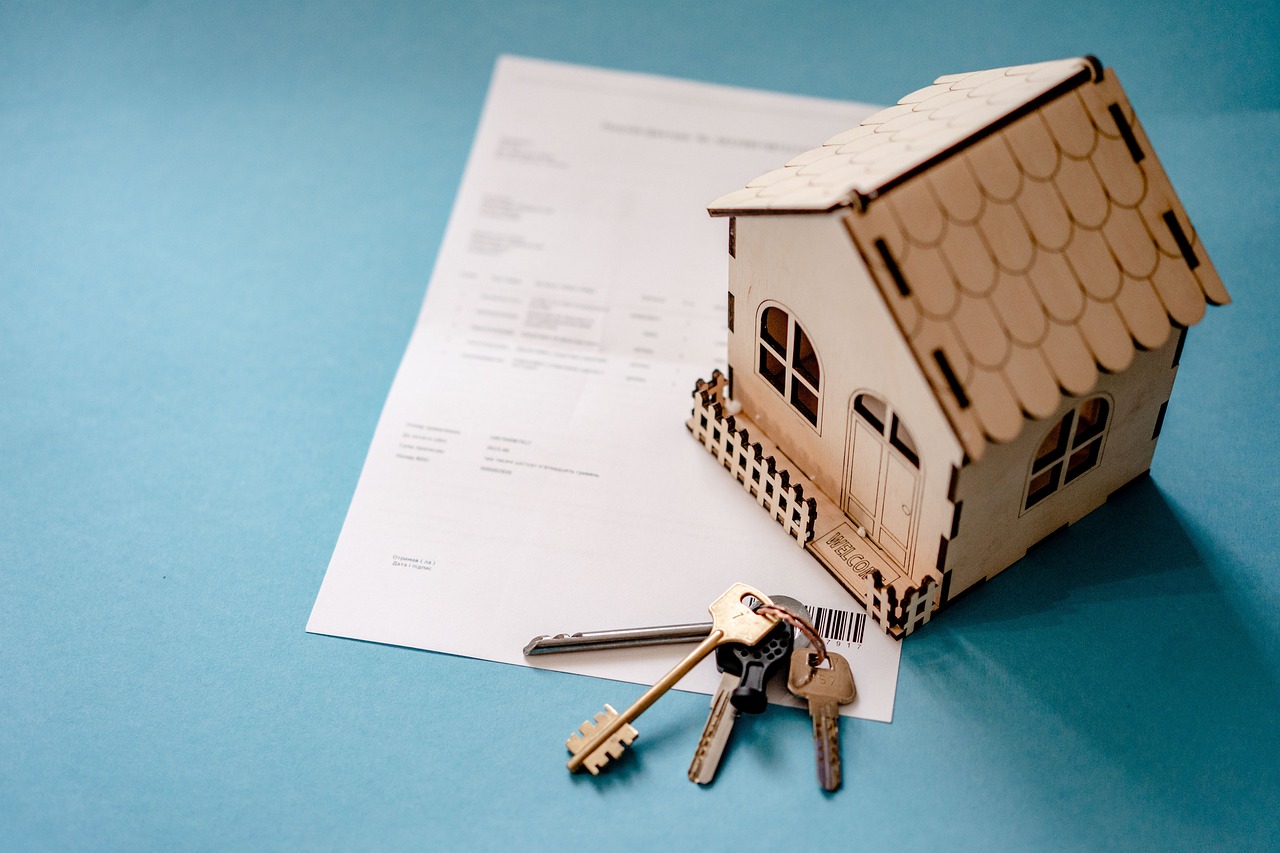
Image 1: A high-resolution photo of a new home with a “Sold” sign in the front yard. Caption: Your dream home is closer than you think.
Types of Home Loans for First-Time Buyers
Not all home loans are created equal. Here’s a rundown of the main options in 2025:
- FHA Loans: Backed by the Federal Housing Administration, these require just 3.5% down with a credit score as low as 580. Perfect for first-timers with limited savings or so-so credit. Average rate: ~5.7%.
- VA Loans: For eligible veterans and active-duty military, these offer 0% down and no private mortgage insurance (PMI). Rates are often lower, around 5.2%.
- Conventional Loans: Not government-backed, these require 5–20% down but offer flexibility for buyers with strong credit (680+). Rates: ~5.5–6%.
- USDA Loans: For rural or suburban homes, these offer 0% down for low-to-moderate-income buyers. Check eligibility via the USDA website.
When I helped my sister shop for her first home, an FHA loan saved her because she only had $10,000 saved for a $200,000 condo. Compare loan types using tools like Bankrate to see what fits your budget.
Steps to Qualify for a Mortgage
Getting approved for a home loan isn’t as scary as it sounds, but you need to prep. Here’s what lenders look at:
- Credit Score: Aim for 620+ for conventional loans, 580+ for FHA. Check your score free on Credit Karma. If it’s low, pay down credit card balances first.
- Debt-to-Income Ratio (DTI): Lenders want your monthly debt payments (including the mortgage) to be under 43% of your income. For example, if you earn $5,000/month, your total debt payments shouldn’t exceed $2,150.
- Employment and Income: Two years of steady income (W-2 or self-employed) is ideal. Gather pay stubs, tax returns, and bank statements.
- Down Payment: Save at least 3.5–5% of the home price. A $300,000 home means $10,500–$15,000 down for FHA or conventional loans.
Pro tip: Get pre-approved before house hunting. It shows sellers you’re serious and helps you stick to your budget. My pre-approval took a week through Rocket Mortgage, and it made offers smoother.

Down Payment Myths Debunked
The biggest myth I hear? “You need 20% down to buy a home.” Not true! Here’s the reality:
- Myth 1: 20% Down Is Mandatory: Only conventional loans sometimes require 20% to avoid PMI. FHA (3.5%) and VA/USDA (0%) make homeownership accessible.
- Myth 2: You Can’t Get Help: Down payment assistance programs, like those from HUD or state housing agencies, offer grants or low-interest loans. In 2024, I found a $5,000 grant for a friend through our state’s housing authority.
- Myth 3: Saving Takes Forever: Start small—$200/month in a high-yield savings account (like Ally, ~4% APY) adds up fast. Cut one coffee run a week, and you’re halfway there.
Check DownPaymentResource.com for local programs. They’re a game-changer for first-timers.
Top Lenders for First-Time Buyers in 2025
Choosing a lender is as important as picking the loan. Here are top picks based on rates, fees, and first-time buyer programs:
- Rocket Mortgage: User-friendly online platform, great for FHA and conventional loans. Rates start at ~5.5%.
- Better.com: Low fees, fast approvals, and first-time buyer guides. Ideal for tech-savvy buyers.
- Navy Federal Credit Union: Stellar VA loan options for military members, with rates as low as 5.1%.
- Local Credit Unions: Often have lower rates and personalized service. Search for ones in your area via NCUA.gov.
When I shopped around, comparing three lenders shaved 0.25% off my rate, saving $50/month on a $250,000 loan. Use sites like LendingTree for quotes, but check Reddit or Trustpilot for customer service reviews—some lenders are slow to process.
Avoiding Common Mortgage Mistakes
First-time buyers often trip over these pitfalls. Here’s how to sidestep them:
- Skipping Pre-Approval: Without it, you’re guessing your budget, and sellers may ignore your offer.
- Not Shopping Around: Rates and fees vary widely. Get at least three quotes to save thousands over the loan’s life.
- Ignoring Closing Costs: These run 2–5% of the loan amount ($4,000–$10,000 on a $200,000 loan). Ask for a loan estimate to avoid surprises.
- Taking on New Debt: Don’t buy a car or open a credit card during the mortgage process—it can tank your DTI and kill your approval.
My cousin learned this the hard way when he financed furniture before closing and nearly lost his loan. Be patient until the keys are in hand.
Tips to Boost Your Chances
Here’s how to stand out as a first-time buyer:
- Improve Your Credit: Pay down high-interest debt and avoid late payments. A 50-point score boost can save 0.5% on your rate.
- Save for Closing Costs: Set aside 3–5% of the loan amount in a separate savings account.
- Work with a Buyer’s Agent: They negotiate for you and often cost nothing (sellers pay their commission).
- Explore Grants: Programs like Good Neighbor Next Door (for teachers, firefighters) offer up to 50% off home prices in certain areas.
Conclusion: Start Your Homeownership Journey
Buying your first home in 2025 is a big step, but it’s doable with the right loan and preparation. Whether you go FHA, VA, or conventional, take time to understand your options, get pre-approved, and shop around. My biggest lesson? Don’t rush—compare lenders, explore assistance programs, and double-check your budget. You’re not just buying a house; you’re building a future. Ready to take the leap? Start with a pre-approval today and make 2025 your year to own.